
FREE eBook
Ever felt stuck in a lucid nightmare?
Many people suffer from nightmares. And quite often people experience moments of awareness during intense, unpleasant dreams. They realize it's a nightmare – they become lucid for a moment and maybe they can wake up, change the scene, or even feel a sense of control in the nightmare.
But sometimes people realize they're in a nightmare and have no sense of control. This can be a very intense, frightening experience if they don't understand what's happening. So, in this guide, we'll cover what lucid nightmares are and shed some light and clarity on these bizarre nocturnal phenomena.
What exactly are lucid nightmares?
Lucid nightmares are a unique sort of nightmare in which you’re aware that you’re dreaming. One might assume that this automatically makes nightmares less frightening.
 On the contrary, lucid nightmares can be more intense than non-lucid nightmares. This is because lucidity is a sense of increased awareness. Whether you're aware of a pleasant experience or an unpleasant experience, you're MORE aware. So if you become conscious, lucid, aware during an unpleasant dream, you may feel the dial of intensity turn up.
If you don't understand what's happening, why you're having a nightmare in the first place, or what to do next, you might be in store for a very unpleasant experience. But, as you'll see below, there are some really useful techniques and tricks for managing lucid nightmares.
Learn more about lucid nightmares here.
Why do we have nightmares?
Let’s take a look at the most common causes of nightmares:
Anxiety/stress
Trauma
Side effects of medication/drugs
Illness, sleep deprivation or any other physical ailment
Alcohol consumption/abuse
Sleep disorders
Dreams help us learn lessons and form new memories. If we experience threats or danger during the day, we need to learn from those experiences so we can stay safe in the future. So, naturally, we dream about these unpleasant experiences so we consolidate the important memories and learn what to avoid in the future.
Nightmares help us prepare and stay safe. It's the mind's natural way of alerting us or warning us that something is wrong and we need to beware. Becoming lucid during nightmares gives us the chance to be even more vigilant or aware of the fact that something is wrong so we can be more prepared for the threat or the danger.
We can embrace the experience, remembering that our mind is trying to prepare and protect us. It's looking out for us in our dreams, and when we get lucid, we can work with our minds and become more adept at dealing with threats. Try pivoting, reframing the experience, standing up straight, and telling yourself, "This is MY dream and there is no need to be afraid!". This will make more sense after you read our 5 tips for lucid nightmares:
5 Tips for Managing Lucid Nightmares
Lucid nightmare tip 1: Use lucidity to your advantage
If you actually become aware of the fact that you’re dreaming during a nightmare, at first this may amplify the fear. But remember – this is YOUR dream, and you are creating everything in it. You can simply generate a weapon or an escape route to get away from the perceived danger. You could even teleport to another scene immediately once you realize that is possible in your dream.
Alternatively, try to have some fun with it. Completely ruin the plot of your nightmare by re-staging it in a room full of puppies or conjure up a luxurious buffet and invite your demons for a feast. Is there really a need for fear in a lucid nightmare?
One fun approach is to think of yourself as a video game designer. Create spaces to navigate through and levels to beat; just like a video game.
Really, dreams are mental simulations, just as video games are computer simulations. They're virtual worlds that you can navigate and solve problems creatively. In your lucid dreams, no one else is creating the imagery you see in your simulation… it's all you! So you already are the designer AND the player. Simply remember that, have fun, and be creative — even in the face of danger!
**Lucid nightmare tip 2: Detach yourself from the situation **
Horror movies can literally be horrifying. Sometimes you forget you're watching a movie and certain intense scenes can trigger real fear responses in your brain and body. You may feel fully immersed until you remember you're just watching a movie and you think "Wow this movie is good" or "Hah, that was a really bad special effect"...
This process that I’ve just illustrated is called detachment. Using logical reasoning, focusing on specific details, or using humor are great ways to detach yourself from the experience and put some space between you and the movie itself. You remind yourself – it's just a simulation of reality, it’s not real.
You can and should apply the same technique to lucid nightmares. Find the resemblance between dream demons and your annoying colleague at work, laugh at the cheesy plot of your nightmare or pretend it’s one of those low-budget horror movies – it's not real, it can't really hurt you, and actually it's pretty cool that your mind can create such a complex production!
Lucid nightmare tip 3: Get healthy sleep
 Unhealthy sleeping patterns are a huge cause of nightmares. By getting 7-9 hours of consolidated sleep every night, your body (and mind) will be well-rested, and more balanced.
Interrupting sleep throughout the night, whatever the cause can be agitating and can influence dream content. The more well-rested your body is, the more at-peace your mind will be, thus rendering nightmares less likely. Check out this article for clinically recommended ways to get healthy sleep.
Lucid nightmare tip 4: Learn mindfulness
Mindfulness refers to a state of calm whereby you observe and acknowledge your surroundings without reacting. One of the most common mindfulness exercises is mindful meditation.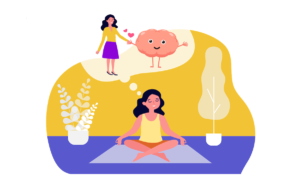
Meditation helps us reduce the chatter and anxiousness in our minds. It cleanses the mind and soul, helping you feel at ease and refreshed. Practicing meditation before going to bed is a great way to get rid of any negative thoughts/emotions that could contribute to lucid nightmares.
If you’re a meditation novice, I recommend you download the app and take the guided course. Or you could try some other guided meditation apps like Calm, Headspace, or my personal favorite Waking Up.
The point is, when experiencing a lucid nightmare, the technique of staying calm and simply observing your surroundings can help you get through the unpleasant experience. Use the lessons learned in your mindfulness practice and apply them during the nightmare.
Lucid nightmare Tip 5: Lean into it
No matter how terrifying the experience, don't let fear consume you. Lucidity means 'clarity', but you can take this to higher levels beyond the clarity of the fact that you're dreaming. Depending on your level of lucidity, it can become clear to you that this nightmare  might be trying to tell you something.
So even though it's very scary at the time, remember the other tips and embrace this opportunity to learn and grow – turn and face your fear knowing it can't really hurt you. Lean into it rather than running away from it. After all, you're only running away from an urgent message from your mind which is somehow or another related to your waking life.
Often, people say that when they ask their scary dream figures who they are and what they represent, something amazing happens... The figure morphs into something less frightening and more understandable.
Managing lucid nightmares
Lucid nightmares are manageable! It really is just a matter of how you frame it... how you think about the situation while it’s happening, and what you choose to do about it.
Lucid nightmares are a product of your own mind so you have much more say in the matter than you might realize. It just takes a little mindfulness, some confidence, and some practice!
Which tip are you excited to try first? Let us know in the comments below and update us on your progress!